Emilecon Book inspection
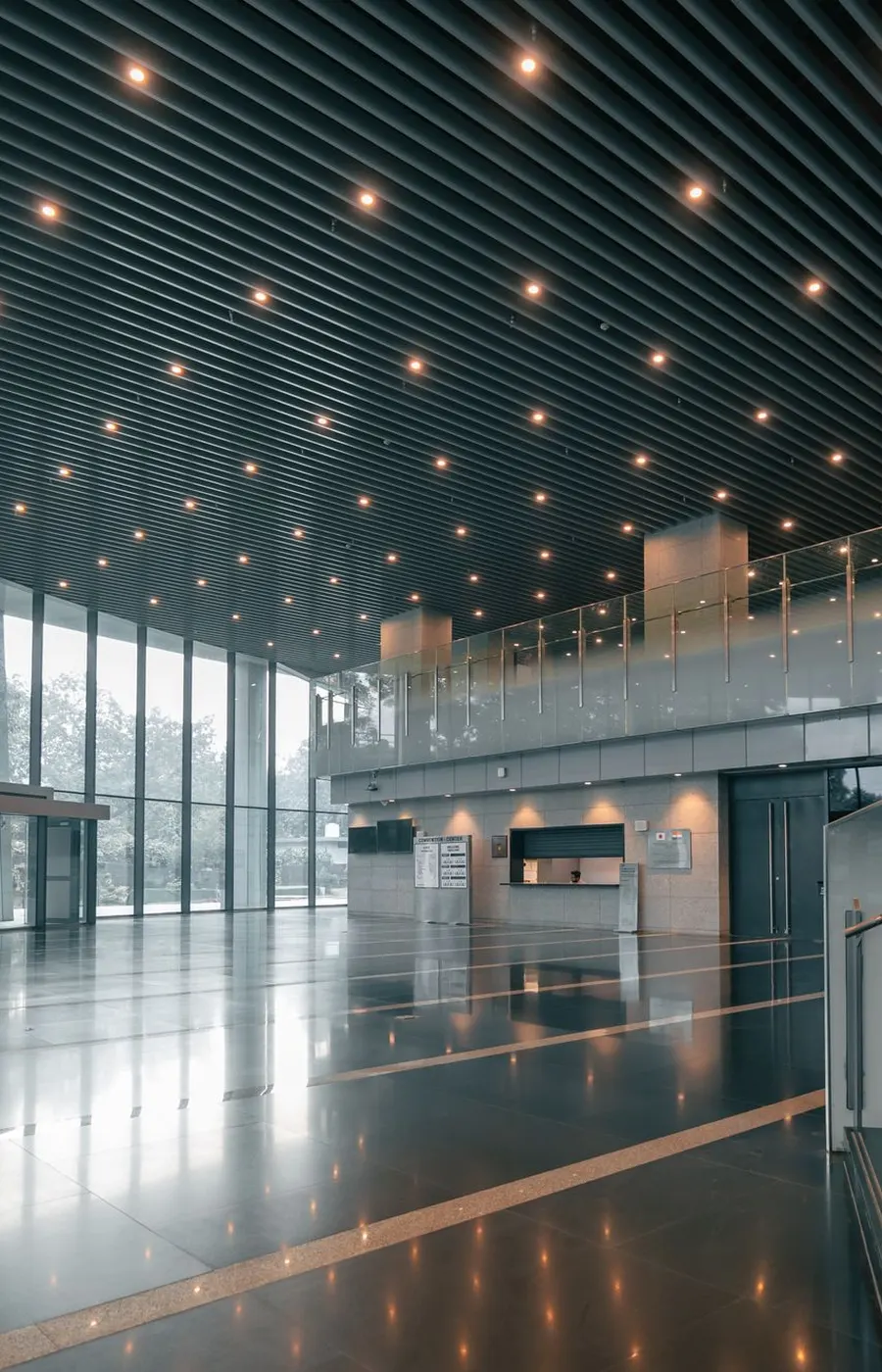
The foyer of a multi storey building, with a mezzanine, an open staircase and full height glazing onto trees outside

Facilities management

Somebody whose actual job is the building.

Emilecon runs buildings across London: the bookings and the income they produce, the plant, the contractors, the compliance file and the safeguarding. Engaged for a few days a month, or for the whole of it.

What the work looks like

One building, kept ready for every booking
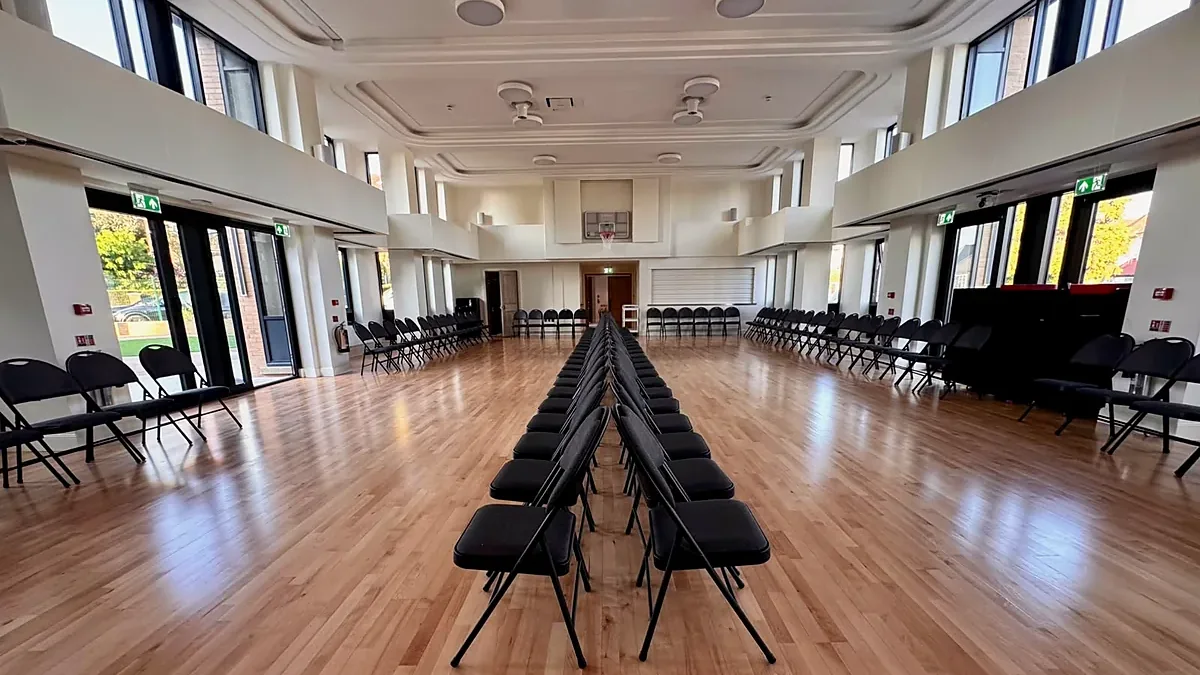
Father Michael Hall at The Ark in Golders Green, a double height hall with a coffered ceiling, galleries on both sides, full height windows and a polished timber floor set out with rows of chairs
Father Michael Hall at The Ark, Golders Green. Behind every event in this room sits the work nobody sees: the alarm tested, the servicing booked, the certificate on file.

What Emilecon manages

Scope set by the building, not by a package

Any building used by people other than its owner carries the same legal duties, the same plant, the same contractors and the same paperwork, whether it is a single office floor, a block of flats, a place of worship, a nursery, a club or a multi storey community and events venue.

What changes is who carries it. In a large organisation there is a facilities department. Everywhere else it lands on a trustee, a committee, a landlord or an office manager who already has a job, and it lands in pieces: a boiler service here, an insurance renewal there, a fire door somebody has been meaning to mention.

Emilecon takes the whole of that, or an agreed part of it, and gives it a single accountable owner. Nothing is subcontracted to a call centre and no query goes into a ticketing system.

Building types
Community and events venues, faith buildings, nurseries and education settings, clubs and societies, offices, mixed-use blocks, and residential portfolios.
Engagement
A fixed number of days a month, a single discipline such as compliance or bookings, or full operational responsibility. Scope agreed in writing before anything begins.
Reporting
One written report to the owner, the trustees or the committee, on a set date each month.
Coverage
Every London postcode, E to WC and every outer district.
Six disciplines

Ordinarily six suppliers, and six people to chase

01

Bookings and revenue

The diary, the hire terms, the rates, the deposits and the invoices. Enquiries answered rather than left, space priced against what comparable rooms genuinely achieve, and approvals turned round in hours rather than weeks. Occasional use becomes an income line the owner can budget against.

02

Maintenance

A planned programme rather than a run of emergencies, and one reporting route so a fault raised by a user reaches the person who can fix it. Scopes written before work starts, quotations compared where the value justifies it, and contractors held to what was agreed rather than what was assumed.

03

Administration

Certificates, service records, hire agreements, insurance correspondence and the accident book, in one place an owner or an auditor could find without asking anybody. Budgets tracked against actual spend rather than reconstructed at year end.

04

Safeguarding

Buildings used by children and vulnerable adults carry duties that do not pause for a room hire. Access control, visitor and contractor management, checks on the people working on site, and procedures written down rather than merely understood. Where a nursery or a youth activity operates inside the building, the arrangements are built around it.

05

Engineering

Mechanical, electrical and plumbing. Heating, ventilation and pumps, distribution boards and switchgear, water systems and hygiene, and life safety systems. Serviced on schedule, certificated, and specified by a business that reads a contractor's quotation as a peer rather than accepting it on trust.

06

Compliance

Fire risk assessment actions, alarm and emergency lighting testing, gas and electrical certification, water hygiene, asbestos where it applies, and accessibility. Held on a calendar that raises the renewal before it lapses rather than after somebody notices.

One building under management

The Ark, Golders Green

Four floors, eighteen rooms, and a hall that seats 250.

The Ark in Golders Green is managed by Emilecon. Its rooms are multi-function and let by the church that owns the building, for weddings and receptions, conferences and training days, classes, rehearsals, children’s parties, exhibitions and craft fairs, or a quiet meeting room for the afternoon.

4
Floors
18
Bookable rooms
250
Principal hall
12
Meeting rooms

Why buildings drift

Rarely a crisis, always expensive

What goes wrong is almost never dramatic. A service lapses. A fire door is wedged open and stays that way. A contractor is engaged on a telephone call with no written scope, does half the job and invoices for all of it. A hall lets for eighty pounds when the hall down the road achieves two hundred. A certificate expires and nothing announces it.

None of it is a crisis on the day. All of it is expensive by the end of the year, and some of it is only discovered when an insurer asks a question that has to be answered in writing.

  • Every duty on one calendar, raising renewals before they lapse rather than after
  • Scopes and quotations read by somebody who has spent twenty years pricing construction work
  • Contract administration under NEC and JCT, which is what a variation and a payment dispute actually turn on
  • One accountable point of contact, so a question is answered the same working day
A long row of white stucco London townhouses lit by late afternoon sun

Facilities management

Tell Emilecon what the building is.

A short conversation settles whether this is one discipline, a few days a month, or full operational responsibility, and roughly what it should cost.